 Ramen Tokyo Tours
Home › Guides › Ramen Making Classes in Tokyo
Ramen Making Classes in Tokyo
The ramen making class Tokyo visitors can book runs from 50 minutes of hand-cut noodles on Kappabashi Kitchenware Street to 2-3.5 hours in a working ramen kitchen in Meguro, at $28.78 to $141 per person. This guide compares what you cook in each class, what costs extra, where each one meets, which diets and ages it takes and how hard the cooking is.
Quick answer Class length, price range and how to pick
Ramen making classes in Tokyo last 50 minutes to 3.5 hours and cost $28.78 to $141 per person, with free cancellation up to 24 hours ahead. Short classes have you cut noodles or assemble a bowl. Long ones have you make broth, noodles and toppings from scratch.
Key takeaways
- For one quick bowl, Easy Ramen Making in Kabukicho takes 60 minutes near Shinjuku Station, with the soup and noodles pre-made.
- To cut noodles by hand, Ramen Noodle Making on Kappabashi Street turns flour into noodles in about 30 minutes.
- To cook tonkotsu, shoyu and miso side by side, the Shibuya Ramen Class: Tonkotsu, Shoyu and Miso runs 1.5 hours near Shibuya.
- For the whole process, Become a Ramen Chef for a Day puts you in a Meguro ramen kitchen for 2-3.5 hours.
Ramen Making Classes You Can Book in Tokyo
Every class here is hands-on, with free cancellation up to 24 hours before the start. Only the Kabukicho class hands you pre-made soup and noodles to assemble. The others have you make the noodles.
 from $28.78
Lowest price
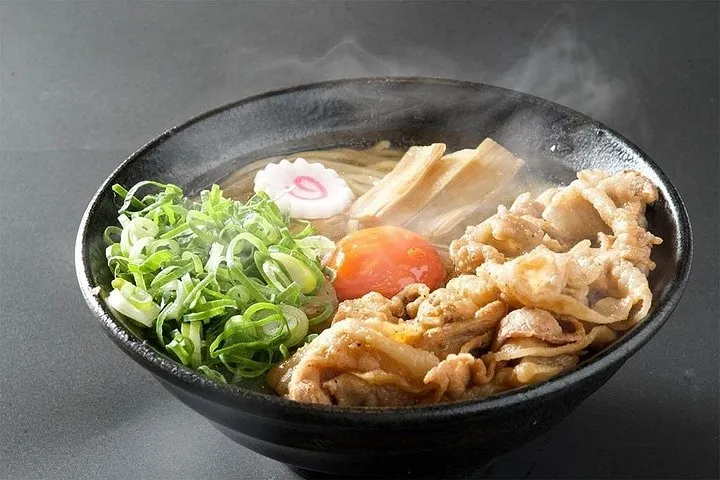
Easy Ramen making experience in Kabukicho, Shinjuku
A short, affordable Shinjuku ramen making class where soup and noodles are pre-made, with gyoza and beer flight add-ons.
Check Availability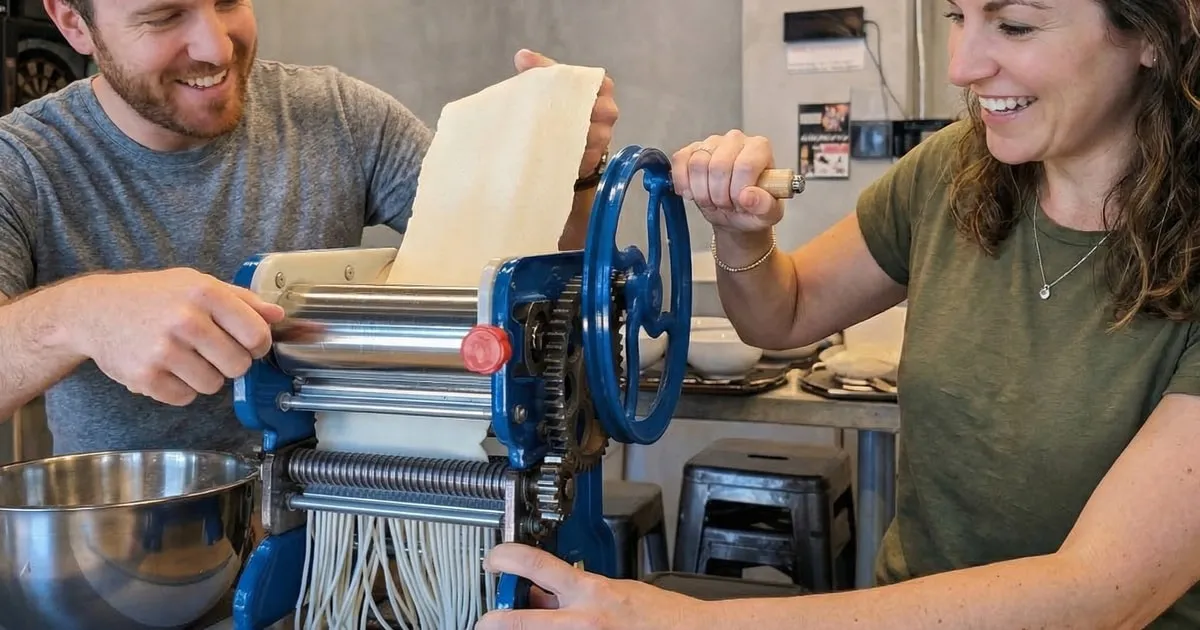 from $78
Shibuya Ramen Class: Make Tonkotsu, Shoyu & Miso
Make all three classic ramen styles and your own noodles in one 90-minute studio class near Shibuya.
Check Availability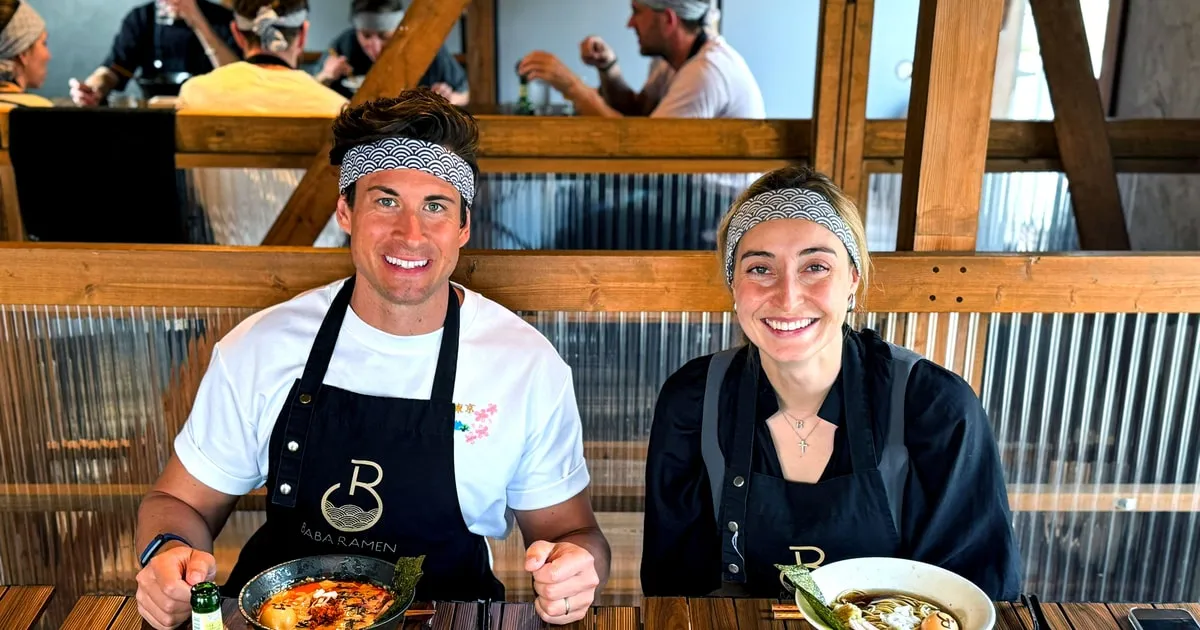 from $141
Become a Ramen Chef for a Day: Tokyo Restaurant Experience
A working-restaurant kitchen experience where you break bones, make noodles and gyoza from scratch and work the line, not a table-top demo.
Check Availability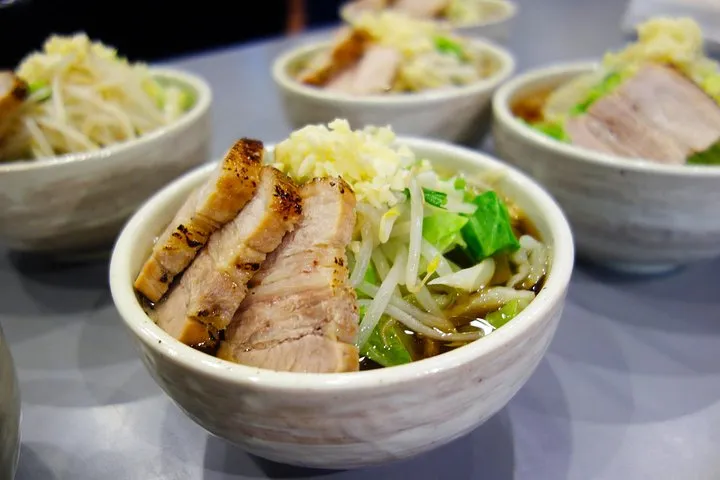 from $119.62
Ramen Making from Scratch + Akihabara Tour - Tokyo Cooking Class
You make Jiro-style ramen entirely from scratch, including the noodles, then shop for seasonings in Akihabara.
Check Availability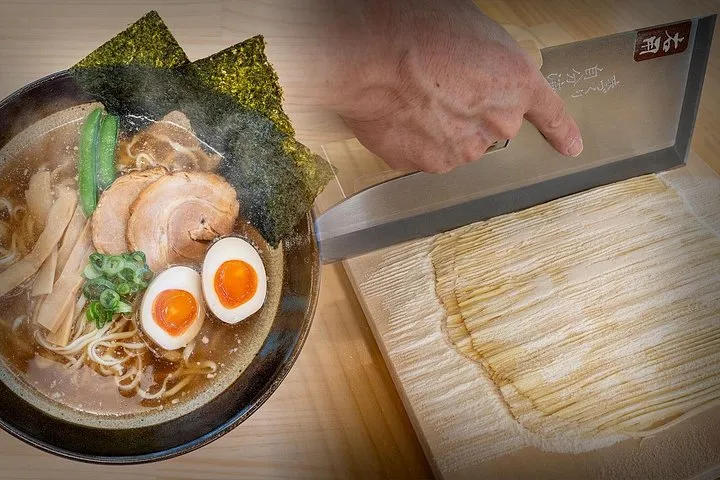 from $44.14
RAMEN Noodle Making Experience! Made from flour in 30min!
Hand-cut ramen noodles made from flour in 30 minutes at a Kappabashi kitchen studio, with a soba option for wheat-free guests
Check AvailabilityHow Do Ramen Making Classes in Tokyo Compare?
They run from a 50-minute noodle session on Kappabashi to a 2-3.5 hour restaurant kitchen class in Meguro, priced from $28.78 to $141 per person.
Length and price track how much of the bowl you make yourself.
The Classes Side by Side
The table lines up each class by what you make, where it meets, how long it runs and the price per person.
| Class | You make | Area | Length | Price |
|---|---|---|---|---|
| Easy Ramen Making in Kabukicho | 1 bowl from pre-made soup and noodles | Kabukicho, Shinjuku | 60 minutes | $28.78 |
| Ramen Noodle Making on Kappabashi Street | Hand-cut noodles from flour, 1 bowl | Kappabashi, Asakusa | 50 minutes | $44.14 |
| Shibuya Ramen Class: Tonkotsu, Shoyu and Miso | Noodles, chicken chashu, 3 mini bowls | Ikejiri-ohashi, near Shibuya | 1.5 hours | $78 |
| Ramen From Scratch and Akihabara Tour | Jiro-style ramen from scratch | Akihabara | 3.5 hours | $119.62 |
| Become a Ramen Chef for a Day | Broth, noodles, gyoza, toppings | Meguro | 2-3.5 hours | $141 |
What Costs Extra
Most prices leave out the trip to the class, and some charge for food or drink on the day. The table sets each price beside what the booking leaves out.
| Class | Price | Not included |
|---|---|---|
| Easy Ramen Making in Kabukicho | $28.78 | Transport to the meeting place. Gyoza and drinks are paid options |
| Ramen Noodle Making on Kappabashi Street | $44.14 | Vegan or no-pork soup, 500 yen extra |
| Shibuya Ramen Class: Tonkotsu, Shoyu and Miso | $78 | Transport to the studio. Wagyu toppings and drinks sold on site |
| Ramen From Scratch and Akihabara Tour | $119.62 | Hotel pickup. Train fare from Suehirocho Station on your own IC card |
| Become a Ramen Chef for a Day | $141 | Transportation |
The Four Soups Behind the Classes
The Japan National Tourism Organization names shio, shoyu, miso and tonkotsu as the most common ramen soups. The Shibuya class covers three of them in one session, while the other classes build one bowl from start to finish.
Source: Japan National Tourism Organization.
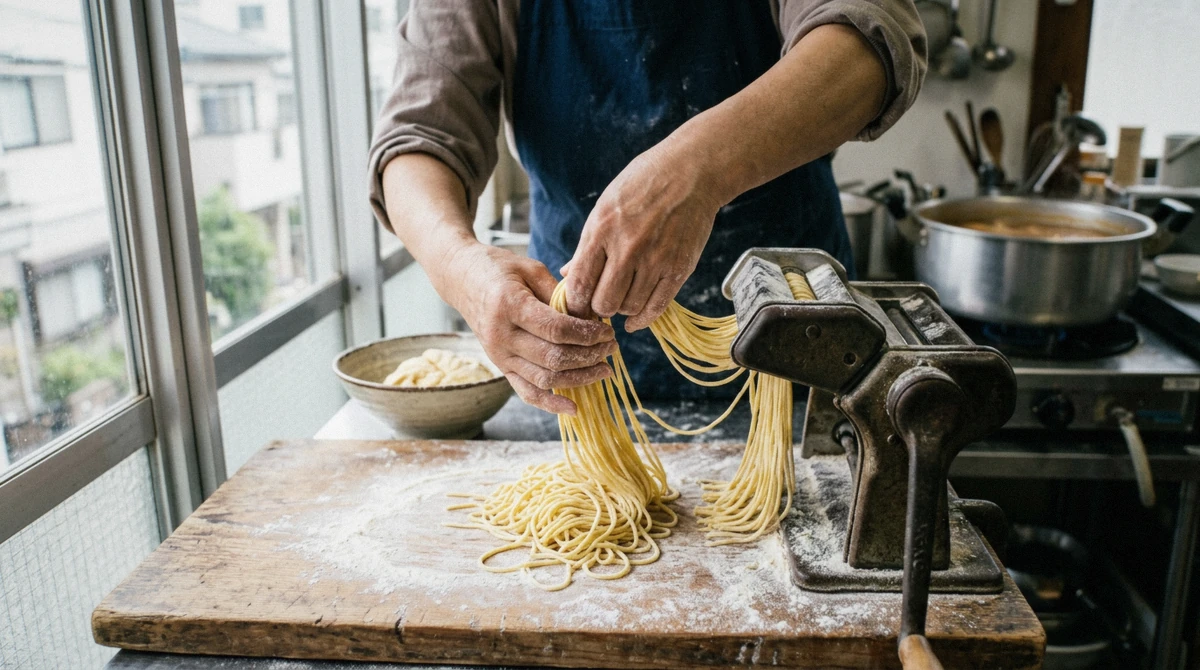
Fresh ramen noodles come off a hand-cranked machine, the step most classes let you do yourself.
Which Ramen Making Class in Tokyo Should You Book?
Pick by the time you have: 50-60 minutes for a quick bowl, 1.5 hours for three broths, 3.5 hours for the full process.
What you actually do in each class, from shortest to longest.
Short on Time: Kabukicho or Kappabashi
Easy Ramen Making in Kabukicho meets at Shinjuku Ale, a craft beer bar near the Godzilla Head. You build one bowl from pre-made soup and noodles in 60 minutes.
Ramen Noodle Making on Kappabashi Street is the pick if you want to touch the dough. You knead flour and slice noodles with a large noodle knife, using an Edo period technique and no machinery. Then you choose a flavor and toppings at your seat and eat what you cut.
Three Broths in One Session: Shibuya
The Shibuya Ramen Class: Tonkotsu, Shoyu and Miso takes a group of up to 20 through kneading, rolling and cutting noodles on a professional noodle machine. You blowtorch chicken chashu, then assemble tonkotsu, shoyu and miso mini bowls and taste them side by side.
The Whole Process: Akihabara or Meguro
Ramen From Scratch and Akihabara Tour starts at 11AM with a 20-minute walk around Akihabara and a 20-minute grocery store tour of Japanese seasonings. Then you knead noodles, prepare the broth and cook chashu pork for Jiro-style ramen, which is your lunch.
Become a Ramen Chef for a Day runs in a working ramen restaurant in Meguro with up to 10 guests. You break bones for clear and white broths, make noodles and gyoza, prepare chashu, ajitamago and wonton, then work the line. You leave with a 50-page recipe e-book.
To eat ramen rather than cook it, compare the guided Tokyo ramen tours instead.
If You Want Tokyo's Own Style
Tokyo's classic bowl is a dark, pork bone or chicken-based shoyu ramen, according to the Japan National Tourism Organization. The Shibuya Ramen Class: Tonkotsu, Shoyu and Miso is the class here that names shoyu among the bowls you make.
Source: Japan National Tourism Organization.
Where Can I Find Ramen Cooking Classes in Tokyo?
Ramen cooking classes in Tokyo meet in Kabukicho, near Shibuya, in Meguro, in Akihabara and on Kappabashi Kitchenware Street, and the Shin-Yokohama Ramen Museum runs its own class.
No class includes hotel pickup, so check the meeting point before you book.
Meeting Points by Area
Each class gives its own meeting point and nearest station.
- Kabukicho: Shinjuku Ale, 1-14-5 Kabukicho, 5 minutes on foot from Shinjuku Station.
- Near Shibuya: 2-16-29 Ohashi, Meguro-ku, a 3-5 minute walk from Ikejiri-ohashi Station, one stop from Shibuya.
- Meguro: 4-chome-10-3 Meguro, near the Meguro River, second floor, stairs only.
- Akihabara: outside the Central Ticket Gate of JR Akihabara Station, where the guide waits with a sign. The class itself runs in a studio reached by train from Suehirocho Station.
- Asakusa: an open kitchen studio on Kappabashi Kitchenware Street, across from the large beetle made of sample foods.
A Ramen Class at the Shin-Yokohama Ramen Museum
In Yokohama, the Shin-Yokohama Ramen Museum runs a paid Ramen Making Experience. A reservation is required, and you make noodles with the traditional green bamboo beating method. Adult admission to the museum is 450 yen, and it opens 11:00-21:00 on weekdays.
Source: Shinyokohama Raumen Museum.
Is Making Ramen Difficult?
Not in a class: the Shibuya class needs no cooking experience, though the 3.5-hour restaurant class in Meguro is real work.
The hard parts are the broth and the dough, and each class decides how much of them you take on.
What a Beginner Can Handle
In Kabukicho the soup and noodles are ready before you arrive. The Shibuya class is beginner-friendly and breaks its 90 minutes into short steps:
- Welcome and introduction to ramen (0-10 min)
- Prepare the chicken chashu (10-15 min)
- Knead, roll and cut fresh noodles (15-35 min)
- Blowtorch the chicken chashu (35-50 min)
- Assemble the mini bowls (50-60 min)
- Taste, compare and take photos (60-90 min)
Where It Gets Demanding
The Meguro class is intensive and needs teamwork to finish the ramen within 3.5 hours. You smash bones in half for the broth before the noodles and gyoza.
Another Way to Try the Noodle Step
The Shin-Yokohama Ramen Museum runs its own paid Ramen Making Experience, reservation required, where visitors make noodles with the traditional green bamboo beating method.
Source: Shinyokohama Raumen Museum.
Which Ramen Styles Can You Learn to Make?
Tonkotsu, shoyu and miso in Shibuya, shoyu or tonkotsu in Meguro and Jiro-style ramen in Akihabara.
The Japan National Tourism Organization (JNTO) names four common ramen soups: shio (salt), shoyu (soy sauce), miso and tonkotsu (creamy pork bone). Tokyo's classic style is a dark shoyu ramen on pork bone or chicken.
Which Class Teaches Which
Only the Shibuya class covers three styles in one session. The others teach one broth or let you pick a flavor.
- Shibuya: tonkotsu, shoyu and miso as 3 mini bowls.
- Meguro: clear and white broths, served as shoyu or tonkotsu.
- Akihabara: Jiro-style ramen, broth and chashu pork made in class.
- Kappabashi: you pick a flavor and toppings after cutting the noodles.
- Kabukicho: a house soup with pork, chicken and beef, its recipe kept secret.
Source: Japan National Tourism Organization.
Can You Take a Ramen Class With a Vegetarian Diet or an Allergy?
In some: Meguro adapts to vegetarian, vegan, gluten-free and pork-free diets with notice, but Akihabara has no vegan or vegetarian option.
Diet rules differ more than anything else between the classes.
Diet Rules Class by Class
The table compares what each class offers vegetarians and vegans and which allergies it cannot work around.
| Class | Vegetarian or vegan | Allergies and limits |
|---|---|---|
| Kabukicho | Vegetarian menu option sold | Regular soup contains pork, chicken and beef |
| Kappabashi | Vegan or no-pork soup, 500 yen extra | Buckwheat allergy not allowed in. Wheat avoiders can switch to 100% buckwheat soba |
| Shibuya | Not for strict vegan or religious diets | Not for severe wheat, egg or soy allergies or celiac disease |
| Akihabara | No vegan or vegetarian option | Pork chashu changed to chicken with more than 48 hours notice |
| Meguro | Vegetarian, vegan, gluten-free and pork-free with advance notice | Shared cooking space and tools |
Ask Before You Go
The Japan National Tourism Organization notes that ramen shops usually specialise in one or two soups, so a kitchen may have no meat-free stock ready. Send your diet when you book, not on the day.
Source: Japan National Tourism Organization.
Can Kids Join, and What Should You Know Before Booking?
Kids can join from age 3 on Kappabashi, 4 in Kabukicho and 5 in Akihabara, while the Meguro class is not suitable for children under 8.
Ages, access and arrival rules decide which class fits a family.
Ages and Access
Ramen Noodle Making on Kappabashi Street takes children from 3 and is wheelchair accessible, with room for a stroller. Easy Ramen Making in Kabukicho counts ages 4-11 as children, but it runs in a craft beer bar and anyone under 20 must come with a parent or guardian. Become a Ramen Chef for a Day is up a flight of stairs, and the Shibuya studio is not suitable for guests who cannot use stairs.
Arrival and Group Rules
For the Shibuya class, arrive early. Guests 5 or more minutes late may be refused entry. In Akihabara, if you are more than 10 minutes late you go to the studio on your own, with no refund for the delay.
The Akihabara class also needs at least 2 people per booking. Group caps run from 6 in Kabukicho and Kappabashi to 20 in Shibuya.
A Family Alternative in Yokohama
The Shin-Yokohama Ramen Museum admits children aged 6 to 18 for 100 yen and under-6s free, and adults pay 450 yen. Its own noodle-making class needs a reservation.
Source: Shinyokohama Raumen Museum.
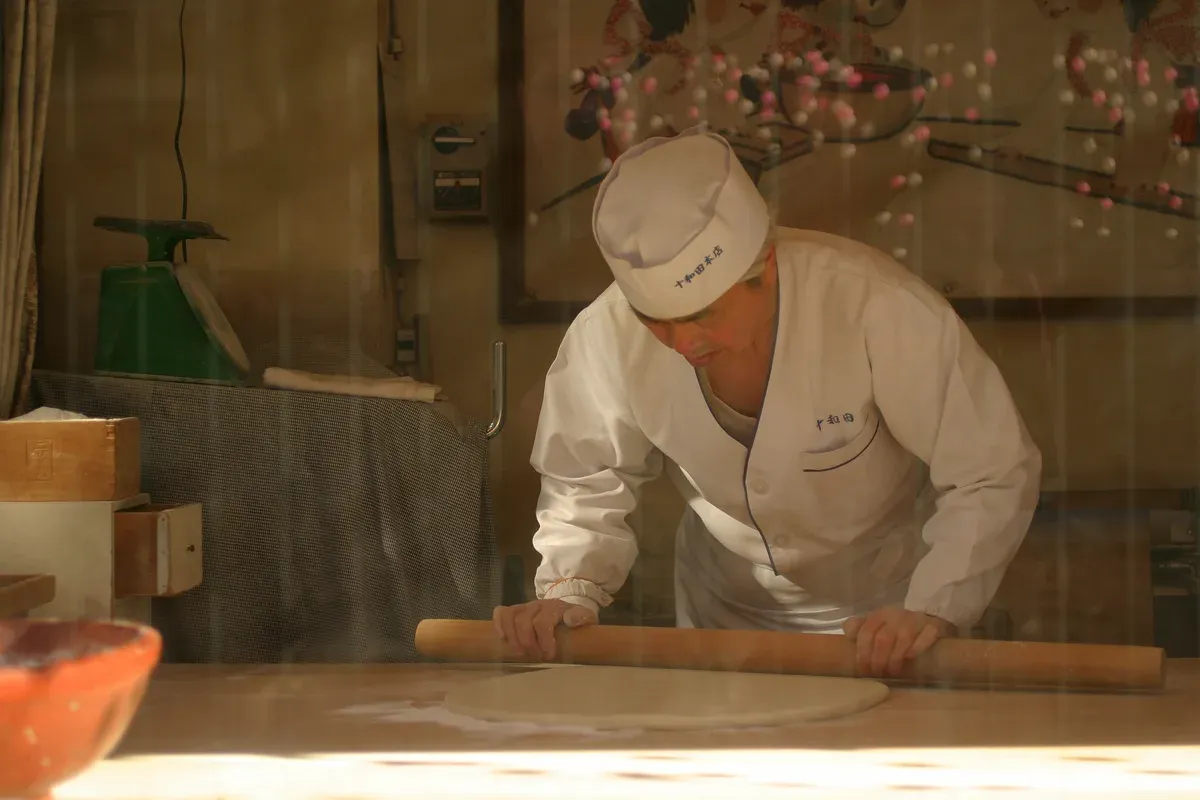
A cook rolls out fresh noodle dough with a long pin at a noodle shop in Asakusa, Tokyo. Photo: beggs from Asakusa, Tokyo, CC BY 2.0, via Wikimedia Commons
Ramen Making Class Questions
Is there a ramen school in Japan?
For a visitor, the closest thing is a class inside a working ramen restaurant. Become a Ramen Chef for a Day puts you in a professional kitchen brigade in Meguro with bilingual ramen chefs for 2-3.5 hours.
What is the Baba Ramen class like?
Baba Ramen runs Become a Ramen Chef for a Day in Meguro. You break bones for broth, make noodles and gyoza and work the line, in a group of up to 10.
How much does a ramen cooking class in Tokyo cost?
Classes run from $28.78 to $141 per person. The lowest price buys Easy Ramen Making in Kabukicho, with transport, gyoza and drinks paid on top.
Do you make the noodles from scratch in every class?
No. In Kabukicho the noodles are pre-made. Every other class has you make them, and Ramen Noodle Making on Kappabashi Street has you cut them by hand.
Can I book a ramen class in Tokyo on my own?
The only class with a booking minimum is Ramen From Scratch and Akihabara Tour, which needs at least 2 people per booking.
Is it disrespectful to not finish your ramen in Japan?
The Japan National Tourism Organization does not call it rude. Its guidance is that slurping is fine and that you should not linger once you finish. In a class you eat the bowl you made, and the Shibuya Ramen Class: Tonkotsu, Shoyu and Miso keeps each of its three bowls mini-sized.
More Guides
- Where Is the Best Ramen in Tokyo?
Ten ramen shops on one floor at Tokyo Station, four soups, tasting tours. Find the best ramen in Tokyo in 2027 and plan your bowls.
- Cooking Classes in Tokyo With Ramen, Gyoza and Sushi
Ramen, gyoza and sushi classes of 2.5 to 3 hours for groups of 6 to 8 in 2027. Compare areas, diets and refunds, then check availability.
- How to Eat Ramen in a Tokyo Ramen Shop
How to eat ramen in Tokyo 2027: the 4-step ticket machine, slurping, the broth and what is rude. Read it before your first bowl.