 Ramen Tokyo Tours
Home › Guides › How to Eat Ramen in a Tokyo Ramen Shop
How to Eat Ramen in a Tokyo Ramen Shop
How to eat ramen in a Tokyo shop follows the routine the Japan National Tourism Organization (JNTO) describes: pay at the ticket vending machine in four steps, slurp freely, and leave soon after you finish when people queue outside. This guide covers ordering, the eating order, the broth, whether leaving food is rude, the rules at Tokyo Ramen Street and the Shin-Yokohama Ramen Museum, and the tours that serve the bowls for you.
Quick answer Order, slurp, eat fast, leave
Pay first at the ticket vending machine in four steps, then slurp: JNTO says slurping noodles is not considered rude in Japan. Eat while the bowl is hot and do not linger when people are lined up outside. Finishing every drop of soup is not one of JNTO's rules.
Key takeaways
- Carry yen: barcode and QR payment cannot be used at Tokyo Ramen Street, open 10:30-23:00.
- Leaving some broth is not called rude by JNTO.
- At the Shin-Yokohama Ramen Museum, everyone of junior high school age and older orders at least one bowl in each shop.
- The Ramen Tasting Tour with 6 Mini Bowls costs $119, plus a train ticket on the Shinjuku route only.
How Do You Order in a Tokyo Ramen Shop?
In most ramen shops you pay in advance at a ticket vending machine and hand the printed ticket to the staff.
JNTO describes the same four-step routine for most ramen shops, and it happens before you sit down.
The Ticket Vending Machine in Four Steps
The order is placed at the machine, not with a server. In Japan you then often eat at a counter.
- Insert money.
- Press the button for the ramen and any sides.
- Take your change.
- Hand the printed ticket to the staff.
Bring Cash for Tokyo Ramen Street
Barcode and QR payment cannot be used at Tokyo Ramen Street, the row of ten shops on the B1 floor of First Avenue Tokyo Station. The machine runs on money in and change out, so carry yen before you join a line. The street is open 10:30-23:00, with last orders at 22:30.
Sources: Japan National Tourism Organization, Tokyoeki 1bangai.
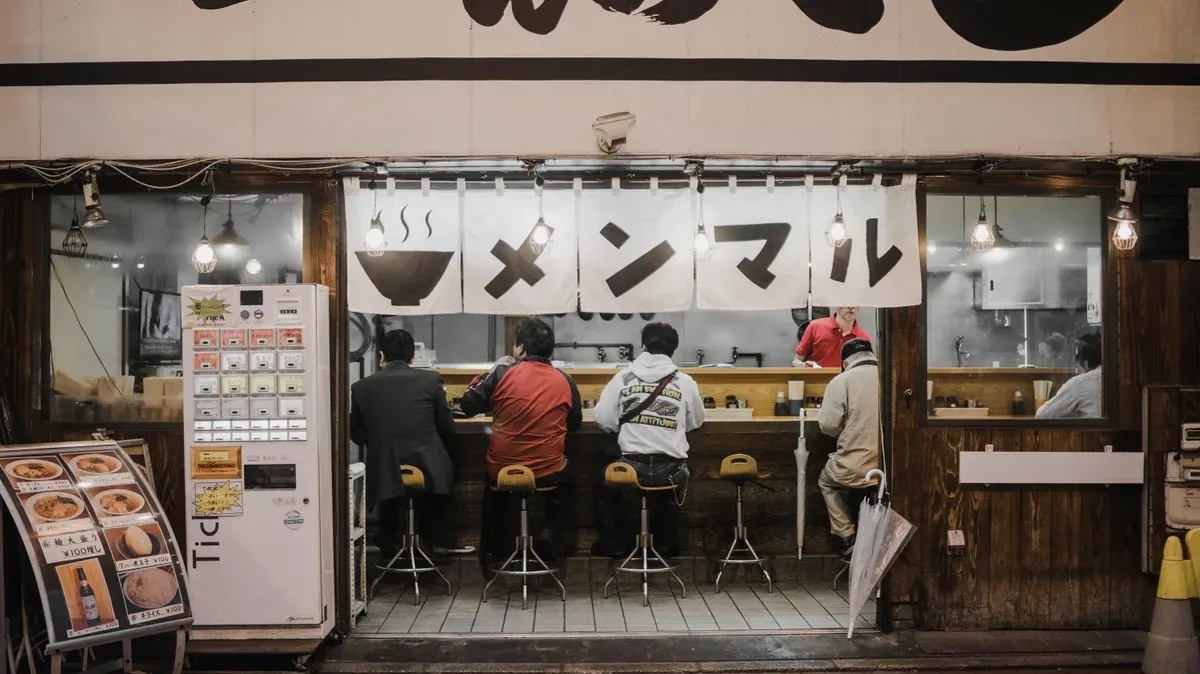
A small ramen counter in Taito, Tokyo, with the ticket machine by the door. Photo: Redd Angelo, CC0, via Wikimedia Commons
How Are You Supposed to Eat Ramen?
Taste two or three spoonfuls of broth, then eat the noodles while they are hot, slurping as you go.
JNTO's firm word on technique is that slurping is not rude in Japan. The rest is timing, because the noodles keep soaking up the broth.
Start With the Broth
A bowl is built in four layers: tare, broth, noodles and toppings. Taste two or three spoonfuls of broth before you stir anything in. The four common soups are shio (salt), shoyu (soy sauce), miso and tonkotsu (creamy pork bone soup).
How to Eat Ramen With Chopsticks and Spoon
You only need two tools, chopsticks and a soup spoon. Hold the chopsticks in your dominant hand and the spoon in the other. Scoop a half spoonful of broth and keep the spoon hovering over the bowl, so drips fall back in.
Then lift the noodles and slurp.
When to Eat the Toppings and the Egg
Eat the nori early. Save the marinated egg for the middle or the end of the bowl. Alternate the chashu with mouthfuls of noodles.
This order is a habit, not a shop rule. The clock is what matters: past 10 minutes, the noodles swell and lose their bite.
Source: Japan National Tourism Organization.
Is Slurping Ramen Rude in Japan?
No, JNTO states that slurping noodles is not considered rude in Japan.
Of all ramen manners, slurping is the one JNTO addresses directly.
Slurping Is Expected
Slurping ramen is acceptable and even encouraged at the counter. Ramen chef Teiichi Sakurai puts it simply: eat it any way you want, but eat it fast. In his view a bowl should not take more than 5 minutes, or the noodles soak up the broth.
Eat Fast, Then Give Up Your Seat
JNTO says ramen shops are not places to linger. Do not stay long after finishing, especially when people are lined up outside. When a line waits, your seat is the next diner's.
Pay first, eat, stand up: that is the full rhythm.
Source: Japan National Tourism Organization.
Are You Supposed to Drink the Ramen Broth?
You can, but you do not have to: sip it with the spoon or lift the bowl, and leave what you do not want.
JNTO's ramen etiquette covers paying, slurping and leaving, and none of its points says you must drink the soup.
Spoon or Bowl
Use the soup spoon for sips between noodles. Drinking straight from the bowl is fine too, if you are game. Some ramen cooks call an empty bowl the finest compliment to the house.
That is a courtesy, not a rule.
Know What Is in the Soup
Tokyo's classic style is a dark shoyu ramen on a pork bone or chicken base. JNTO warns that dishes without visible meat or fish often hide meat or bonito flakes. A clear broth is no sign of a vegetarian bowl, so ask before you drink if your diet depends on it.
Source: Japan National Tourism Organization.
Is It Rude Not to Finish Ramen?
JNTO does not call it rude: its etiquette points are paying at the machine, slurping and not lingering, and finishing the bowl is not among them.
The rule that does exist in Tokyo's ramen world is about ordering a bowl, not about emptying it.
What JNTO Actually Asks
JNTO's ramen etiquette comes down to three points. Pay in advance at the ticket vending machine. Slurp freely, since it is not rude.
Do not stay long after you finish, especially when people are lined up outside. Leaving noodles or soup in the bowl is not on that list. If you are full, stop and free the seat.
The One-Bowl Rule at the Shin-Yokohama Ramen Museum
The museum expects every visitor of junior high school age and older to order at least one bowl when they enter a ramen shop. A junior high schooler cannot share a parent's bowl. Admission is 450 yen for adults aged 19 and above, 100 yen for children 6 to 18, and free under 6.
The shops take orders until 30 minutes before closing.
Smaller Bowls Make Finishing Easier
The Ramen Tasting Tour with 6 Mini Bowls serves 6 mini bowls at 3 shops, each about a quarter of a full bowl, for $119 per person over 3 hours. A train ticket is extra on the Shinjuku route only.
Sources: Japan National Tourism Organization, Shinyokohama Raumen Museum.
Tours That Fit
A guided night crawl, a tavern food tour with ramen and a 60-minute ramen-making class.
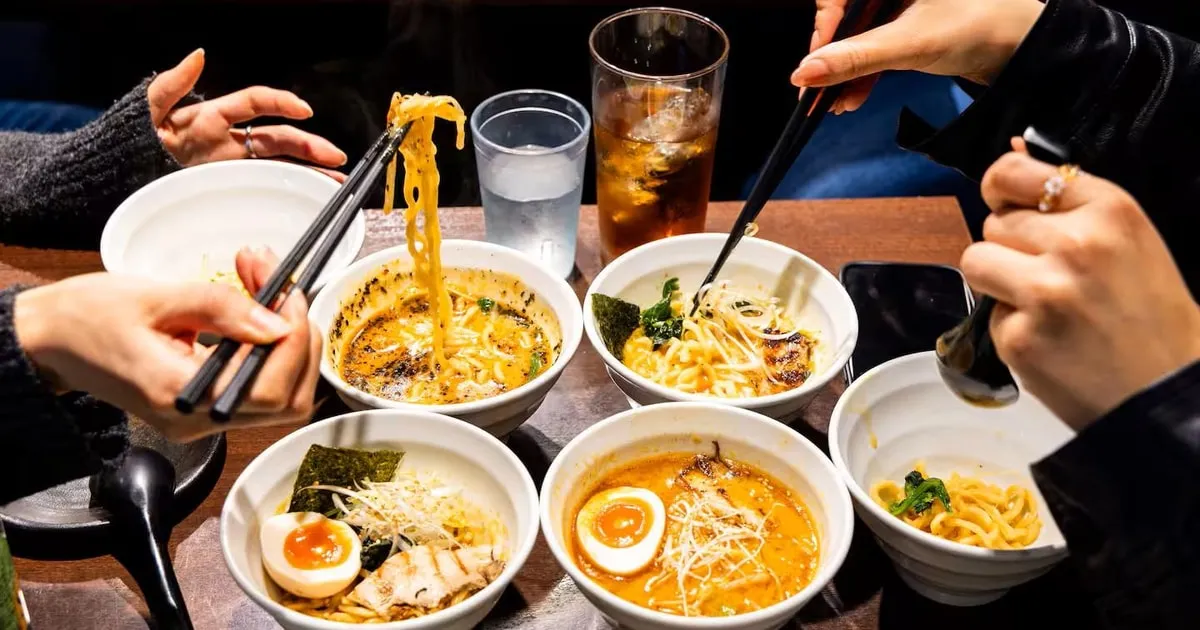 from $88
Night tour
Tokyo Night Ramen Crawl
A two-hour late-night crawl with four mini ramen bowls across two Shibuya and Ebisu shops, capped at five people.
Check Availability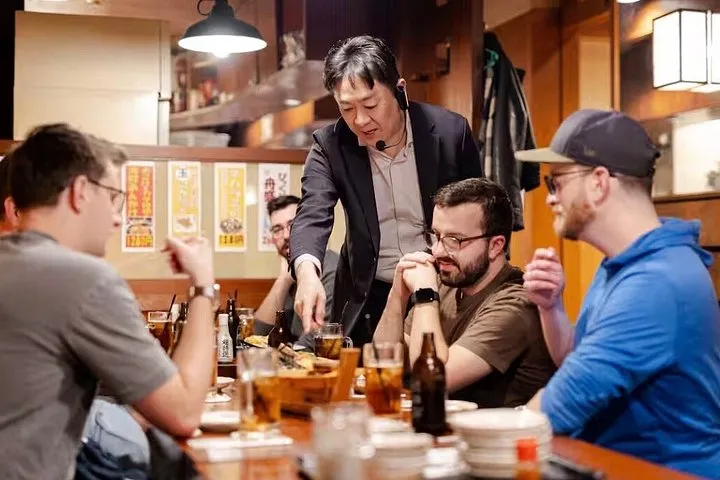 from $105.54
Eat and Drink Like a Local: Hidden Taverns & Ramen in Ueno
Tavern crawl in local Ueno spots with five dishes including ramen and five drinks all included in the fee.
Check Availability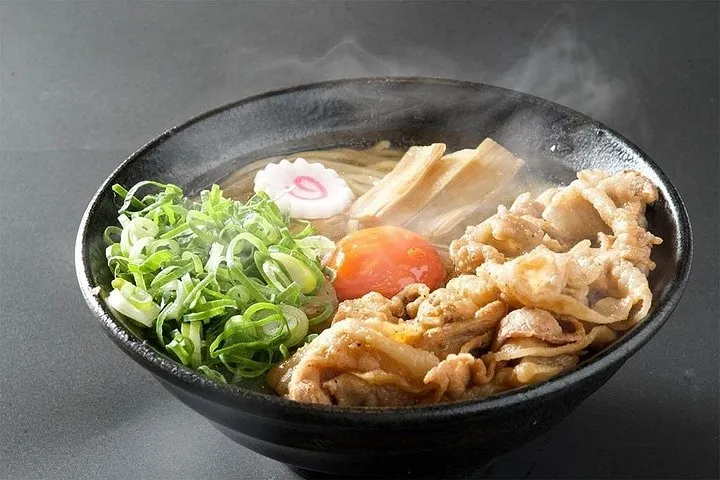 from $28.78
Lowest price
Easy Ramen making experience in Kabukicho, Shinjuku
A short, affordable Shinjuku ramen making class where soup and noodles are pre-made, with gyoza and beer flight add-ons.
Check AvailabilityWhat Should You Never Do in a Ramen Shop?
Never stand your chopsticks upright in the noodles, never linger while a line waits, and never take a seat at a museum shop without ordering your own bowl.
Six mistakes, from the counter to the payment.
Six Ramen Shop Mistakes and Why They Matter
The table sets each mistake beside the reason for it and the place it applies, drawn from JNTO, the Shin-Yokohama Ramen Museum and First Avenue Tokyo Station.
| Don't | Why | Where |
|---|---|---|
| Plant chopsticks upright in the noodles | The gesture is reserved for funeral offerings in Japan | Any shop |
| Stay long after finishing | Ramen shops are not places to linger, especially with a line outside | Any shop |
| Assume a clear soup is vegetarian | Dishes without visible meat or fish often hide meat or bonito flakes | Any shop |
| Sit down without ordering a bowl | Junior high school age and older order at least one bowl each | Shin-Yokohama Ramen Museum |
| Pay by barcode or QR code | Neither can be used | Tokyo Ramen Street |
| Arrive after 22:30 for a bowl | Last orders are 22:30, though the street is open until 23:00 | Tokyo Ramen Street |
Sources: Japan National Tourism Organization, Shinyokohama Raumen Museum, Tokyoeki 1bangai.
Which Ramen Should You Order First?
Order the soup the shop is known for, since JNTO notes shops typically specialize in one or two soups, and in Tokyo the classic is shoyu.
JNTO names four common ramen types. Pick the shop by its soup, then press that bowl's button.
The Four Soups and Where to Try Each
The four common soups JNTO lists, plus tsukemen, set beside a Tokyo Ramen Street shop that the street's official guide names for that style.
| Soup | What it is | Tokyo Ramen Street shop |
|---|---|---|
| Shio | Salt | Shio Ramen Senmon Hirugao |
| Shoyu | Soy sauce, Tokyo's classic style | Soranoiro Nippon |
| Miso | Miso, the style Sapporo is known for | Hanamichian |
| Tonkotsu | Creamy pork bone soup, Kyushu's favorite | Tonkotsu Ramen Oreshiki Jun |
| Tsukemen | Dipping ramen with a super-thick broth | Rokurinsha |
Source: Japan National Tourism Organization.
Where Can You Eat Your First Ramen in Tokyo?
Tokyo Ramen Street puts ten shops on one floor at Tokyo Station, open 10:30-23:00, so you can read every ticket machine before you join a line.
Tokyo Ramen Street sits just outside the Yaesu gates of JR Tokyo Station, and both venues below publish their hours.
Hours and Rules at Two Ramen Venues
Opening hours, last orders and the house rule at Tokyo Ramen Street and the Shin-Yokohama Ramen Museum, from First Avenue Tokyo Station and the museum's own site.
| Venue | Hours | Last orders | House rule |
|---|---|---|---|
| Tokyo Ramen Street | 10:30-23:00 | 22:30 | No barcode or QR payment |
| Rokurinsha (tsukemen) | 7:30-23:00, closed 9:45-10:00 | 9:30 morning, 22:30 night | No barcode or QR payment |
| KAKUSHINKA TOKYO, Tonkotsu Ramen Oreshiki Jun, HANAMICHIAN | 8:00-23:00 | 22:30 | No barcode or QR payment |
| Shin-Yokohama Ramen Museum | Weekdays 11:00-21:00, holidays 10:30-21:00 | 30 minutes before closing | One bowl each from junior high school age, adult entry 450 yen |
Learn the Bowl in a 60-Minute Class
To see a bowl from the cook's side first, Easy Ramen Making in Kabukicho takes 60 minutes for $28.78 per person, 5 minutes on foot from Shinjuku Station. Transport to the meeting place and bottled drinks are not included. For every other option, compare each Tokyo ramen tour side by side.
Sources: Tokyoeki 1bangai, Shinyokohama Raumen Museum.
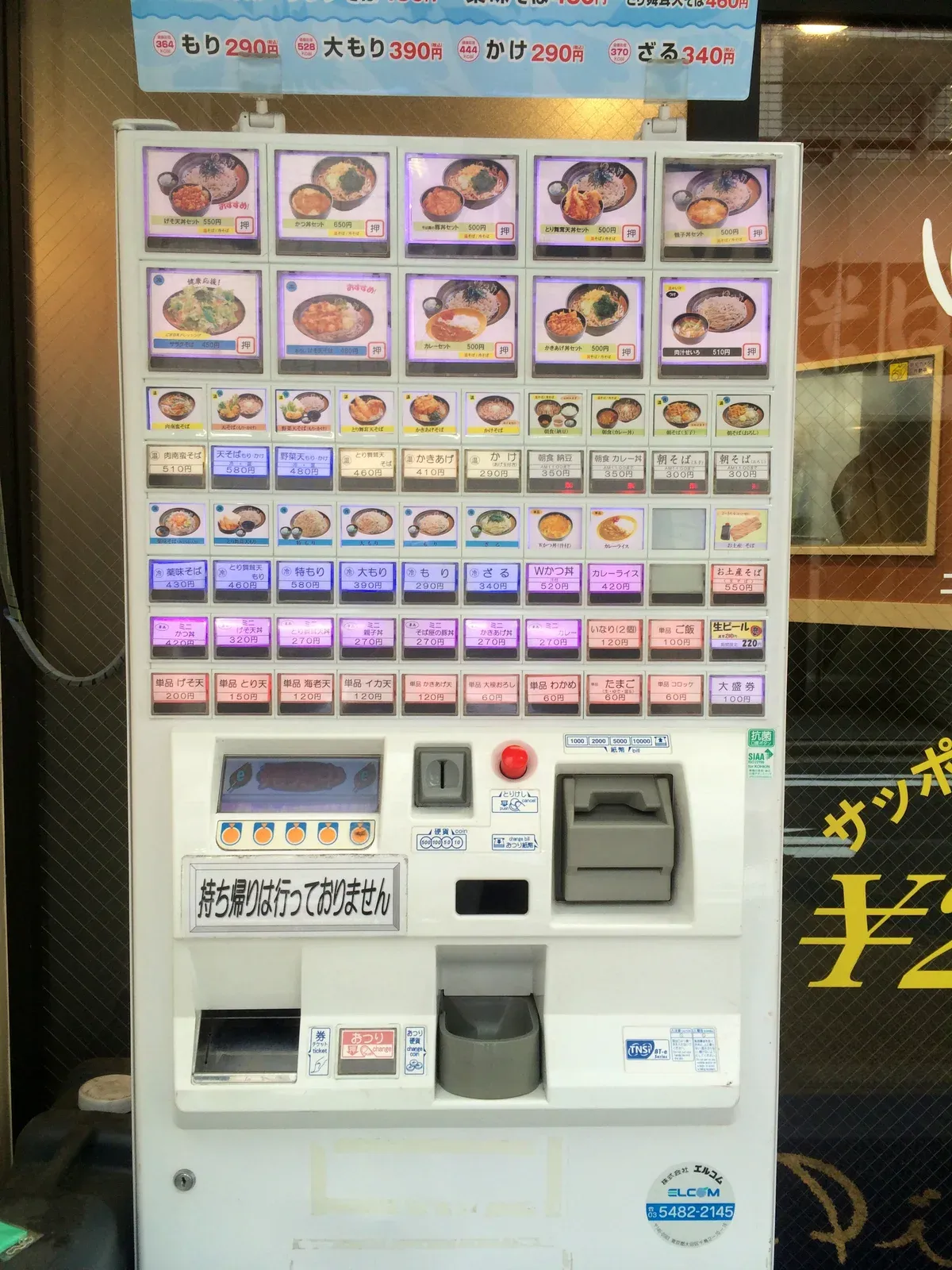
A meal ticket machine outside a restaurant in Tokyo: buy a ticket first and hand it over at the counter inside. Photo: Steven-L-Johnson, CC BY 2.0, via Wikimedia Commons
How to Eat Ramen: FAQ
Why is ramen considered unhealthy?
The soup is the part you control. JNTO describes shio as a salt soup and tonkotsu as a creamy pork bone soup, and no etiquette rule makes you drink it all. Eat the noodles and toppings and leave as much broth as you like. See whether leaving soup is rude.
How do you eat the egg in ramen?
Save the marinated egg for the middle or the end of the bowl. The full order is in how you are supposed to eat ramen.
Can you pay by QR code in a Tokyo ramen shop?
Not at Tokyo Ramen Street: barcode and QR payment cannot be used there, per First Avenue Tokyo Station. Most shops take payment at a ticket vending machine that gives change, so carry yen.
Do children need their own bowl at the Shin-Yokohama Ramen Museum?
From junior high school age, yes. Every visitor of that age and older orders at least one bowl per shop, per the Shin-Yokohama Ramen Museum. Children 6 to 18 pay 100 yen entry, and under 6 enter free.
How long can you stay in a ramen shop?
Not long after you finish. JNTO says ramen shops are not places to linger, especially when people are lined up outside.
More Guides
- Where Is the Best Ramen in Tokyo?
Ten ramen shops on one floor at Tokyo Station, four soups, tasting tours. Find the best ramen in Tokyo in 2027 and plan your bowls.
- Cooking Classes in Tokyo With Ramen, Gyoza and Sushi
Ramen, gyoza and sushi classes of 2.5 to 3 hours for groups of 6 to 8 in 2027. Compare areas, diets and refunds, then check availability.
- Ramen Making Classes in Tokyo
Ramen making classes in Tokyo for 2027, from 50 minutes to 3.5 hours: what you cook, diets, ages and extras. Compare and pick yours.